Commercial Waste in Limehouse

Commercial waste in Limehouse needs a tidy, dependable approach because business premises generate mixed materials, regular collections and occasional one-off clearances. We provide a practical service for premises that want waste taken away without disrupting trading hours or blocking access. The work can cover routine business rubbish, heavier items, and segregated streams that need careful handling, with the emphasis always on lawful disposal and straightforward arrangements for the customer.
Our service is designed around the sort of waste businesses actually produce: packaging, old office contents, stockroom clear-outs, worn fixtures, and bulky items that do not fit ordinary bins. We can also help with removal from upper floors, rear yards, shared access points and compact commercial units where loading needs planning. If you are comparing options, our business waste removal page gives a fuller view of the type of work commonly carried out for local organisations.
For a quotation, start by outlining the material, the approximate amount and the access arrangements. Clear information saves time and helps the price reflect the real job rather than a guess. If you need a broader overview of how collections are priced, the pricing and quotes page is a useful place to look. You can also send a brief enquiry and ask for the most suitable collection option for your premises.
Regular business waste collections
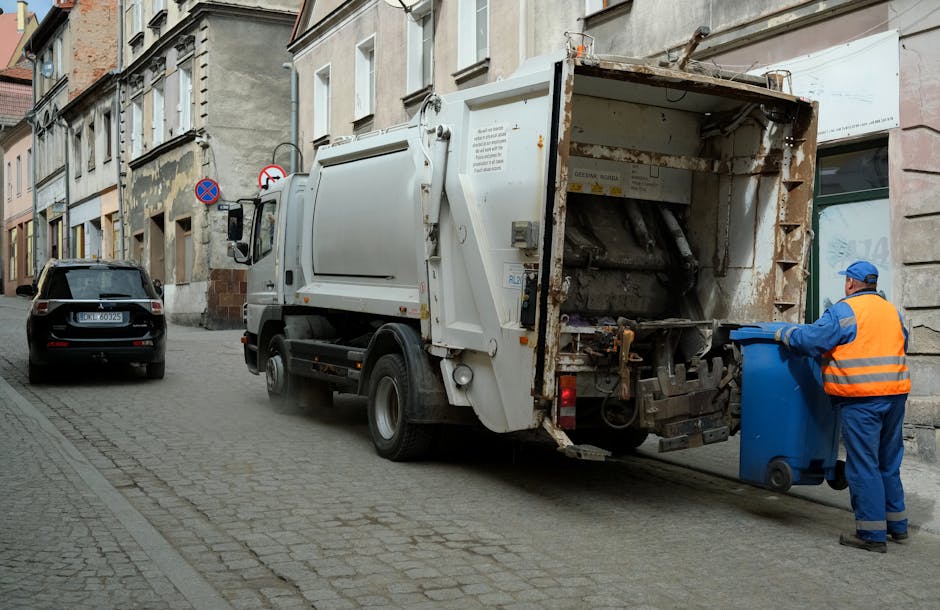
Many premises need repeat waste removal rather than a single clear-out. Offices, workshops, studios, hospitality spaces and retail units often want a consistent arrangement for ordinary commercial rubbish, cardboard, mixed packaging and other day-to-day refuse. We work with that practical need in mind, helping keep waste moving away from the premises so it does not build up around work areas or storage points. This kind of service is especially helpful where collection points are tight or where there is limited room for keeping waste on site between visits.
Regular work is often easier when the waste stream is understood in advance. Mixed general waste, recyclable packaging, outdated paperwork and unwanted soft furnishings may all need different handling. Where confidential material is present, a separate process may be more appropriate; the confidential shredding page covers that subject in more detail. Keeping these streams separate can make the removal arrangement clearer and more efficient, particularly for businesses that want a more orderly approach to site housekeeping.
Useful preparation usually means identifying where the waste is stored, whether it is bagged or loose, and whether there are any access limits such as narrow stairs, shared entrances or loading restrictions. A short description and a few photographs can be enough to confirm the type of work needed. If you are ready to go ahead, you can ask for a quote and explain whether the collection is a one-off or part of an ongoing pattern.
Office and workplace clearances
Office waste removal can involve much more than general rubbish. Desks, chairs, filing cabinets, shelving, broken office equipment and worn meeting room furniture all need different handling when a workplace is being reorganised or cleared. We carry out office clearances with a focus on keeping the process orderly, so the usable parts of the site remain accessible while the unwanted items are removed. For businesses that are replacing furniture rather than discarding it all at once, this can make the changeover more manageable.
Where a workspace contains mixed items, the best approach is often to group them by type before removal. Paper archives, metal storage, soft furnishings and electrical items may not all belong in the same stream. If you are dealing with desks, chairs or other large pieces, our office clearance page explains the broader service area, while furniture clearance is useful for larger non-office furnishings that need to be taken away from commercial settings as well as domestic ones.
Good office clearance also depends on access and timing. Some sites require lift use, stair carrying or work outside peak business hours; others need the waste moved from several floors or from a rear service entrance. It helps to mention any fragile flooring, parking limits or security arrangements early. If you need support with a clear-out rather than an ongoing collection, ask for a quotation and describe the rooms or storage areas that need attention.
Bulky items, fixtures and furniture
Commercial premises often end up with bulky items that are awkward to store and harder to dispose of than standard bags of waste. That may include reception seating, broken cabinets, tables, shelving, display units and other furniture that has reached the end of its useful life. We remove these items as part of a planned clearance, taking care to separate reusable or recyclable materials where that is appropriate. The aim is to make the process as controlled as possible rather than leaving large objects to block working space.
Different item types can need different methods. A sofa from a waiting area, for example, is not handled in quite the same way as dismantled shelving from a stock room. If you need more detail on large seating and similar items, the mattress and sofa disposal page may be relevant. For mixed pieces of office and site furniture, our furniture disposal page gives a straightforward overview of the category.
It is often sensible to say whether the items are on the ground floor, upstairs or in a restricted area, because that affects the effort involved in moving them. If any pieces need dismantling before removal, mention that as well. Clear access details help us plan the work properly and avoid confusion on the day. If you are comparing different disposal options, use the enquiry route to request a quotation and outline the items in a short list.
Mixed rubbish and one-off waste removal

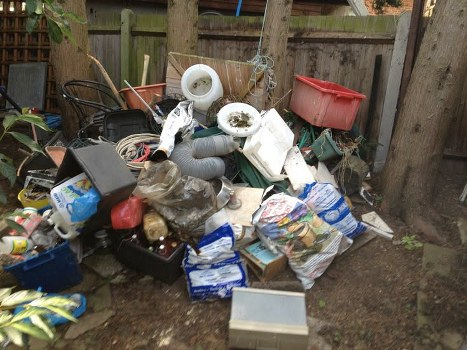
One-off waste removal suits businesses that have a sudden build-up of refuse, an end-of-lease tidy-up, or a delivery period that has left more packaging and offcuts than expected. In these situations, commercial rubbish may include broken equipment, bagged waste, packaging, small fixtures and assorted items from several parts of the site. We can help clear that material in an orderly way so the premises are ready for their next stage of use.
For some jobs, the main issue is not the size of the waste but the mixture of what is present. A stockroom might contain cardboard and plastic film alongside damaged display items, while a workshop might hold offcuts, pallets and worn tools. The waste removal page covers this broader service category, and businesses with construction-related debris can also look at builders waste clearance if the material includes renovation leftovers, rubble or trade offcuts.
If you are arranging a one-off collection, an inventory is often more useful than broad labels. A short breakdown of the main items, rough quantities and the easiest loading route helps us understand the job. Before booking, it is worth checking whether anything should be kept aside, especially paperwork, fixtures still in use or items that may need separate handling. Then you can ask for a quotation based on the actual clearance required.
Specialist waste streams and separation
Some commercial waste cannot be treated as ordinary mixed rubbish because it needs a more specific route. Items such as refrigeration units, appliances, damaged electrical equipment or potentially hazardous material require more care than general office refuse. We do not treat all waste as interchangeable, and that matters for both handling and disposal. Where a business has a particular stream that should be separated from standard rubbish, identifying it early helps ensure the collection is planned in the right way.
If the job includes white goods or cooling equipment, the fridge and appliance removal page is relevant. For premises dealing with material that may need stricter controls, the hazardous waste disposal page is the more appropriate reference point. Some businesses also need recycling-focused separation rather than a simple mixed collection, which is where our recycling and sustainability page provides a useful overview of that approach.
The key decision is usually whether the material should be bundled with the general clearance or kept apart for a separate route. That choice affects the time needed on site and the type of team and equipment required. If you are unsure how your items should be described, give a concise summary of what is present and ask for guidance. A clear quotation can then be prepared around the correct category of waste.
Planning access, timing and site conditions

Commercial waste work is smoother when the access route is understood before collection. That may include rear lanes, shared entrances, stairways, service lifts, parking restrictions or loading spaces that can only be used for a short period. We take those practical details seriously because they shape how the removal needs to be organised. A site with easy ground-floor access is different from a building where items must be carried through multiple doors or down several flights.
Timing also matters for working premises. Some businesses prefer collections before opening, after closing or during quieter periods, while others need the waste removed in stages so operations can continue. If there are any site rules about keys, escorts, noise or security checks, include them in your enquiry. When there are recurring collections, the arrangement can often be simplified once the access pattern is known. For a direct request, the contact us page is available for quotation enquiries and practical questions.
Helpful details usually include the floor level, the approximate volume, whether the items are bagged, boxed or loose, and whether there are any restrictions on vehicle access. A brief written summary is often enough to start. If the premises are being cleared as part of a change of use, refurbishment or relocation, say which rooms or storage areas are involved so the work can be planned around them.
About Limehouse
Limehouse is a historic riverside district in East London, within the London Borough of Tower Hamlets, lying between the City fringe and the wider Docklands area. Its name is closely associated with the old river-related industries that developed along the Thames and the Limehouse Cut, a canal first opened in the eighteenth century to improve transport links for goods and materials. The area’s character is shaped by that waterside history, by later dockland redevelopment and by a street pattern that still carries traces of older settlement. Narrow lanes, converted warehouses and later housing schemes sit alongside modern apartment blocks, making the built environment noticeably varied within a relatively compact place.
The district is also known for Limehouse Basin, a marina and waterside junction where the Regent’s Canal meets the River Thames, giving the area a distinctive mix of waterways and urban routes. Nearby, narrow residential streets, local shops and bridges create a landscape that reflects both working river heritage and contemporary city living. The area has long been connected with maritime trade and East End communities, and its history is often discussed alongside the broader transformation of London’s docklands during the twentieth century. Churches, listed buildings and remnants of older wharf-side architecture add further depth to the local setting. Today, Limehouse remains a place where the river edge, transport corridors and residential neighbourhoods sit in close proximity, producing an environment that is recognisably London but still marked by its own layered past.
Commercial clear-outs for changing premises
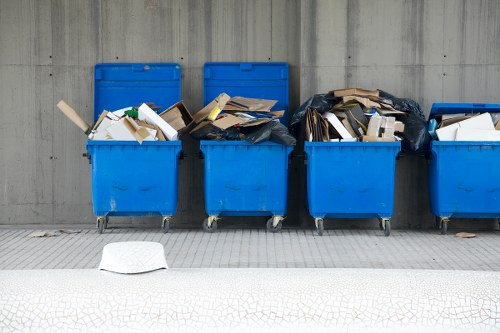
When a business is moving, refurbishing or downsizing, commercial waste can appear in several forms at once. Old shelving, packaging, redundant stock, unwanted furniture and general rubbish may all need clearing at the same time. We handle these broader jobs as practical clear-outs rather than treating them as a simple bin-emptying exercise. That matters because the decision is often about how the space will be handed over, reset or prepared for new use, not just about getting rid of individual items.
Some changes also involve items that need a more careful sort. Electrical equipment, confidential paperwork, bulky furniture and general waste should not always be bundled together. The wider task is easier when each group is identified before collection, especially if the premises are busy or if several people are responsible for different areas. You can review the home clearance and house clearance pages if you also manage mixed premises or residential-style properties, while the commercial service remains the better fit for business settings.
Use the final enquiry to give a concise list of the main materials and the access conditions. If you have photographs, they can help confirm what needs to go, but they are not a replacement for a short written summary. When you are ready, request a quotation and explain whether the work is a single clearance, a staged removal or part of an ongoing waste arrangement.
Choosing the right service for your waste
Not every job should be described in the same way, because the route for office furniture, mixed rubbish, specialist items and repeat collections can differ. The right service depends on what the waste is, where it is stored, and how quickly it needs to leave the premises. A clear description helps us place the work correctly, whether that means a straightforward commercial collection or a more organised clearance with several item types. That is why it helps to think first about the waste itself rather than only the room it came from.
Businesses sometimes combine several needs in one enquiry, such as clearing a storeroom, removing redundant furniture and taking away packaging from a recent delivery. In those cases, a single collection may still be enough if the waste is described clearly. The flat clearance and garage clearance pages are not commercial services in their own right, but they can be helpful examples of the kind of mixed-item clearances that involve careful sorting and access planning. For genuine commercial premises, the focus remains on the business setting and the waste produced there.
When you want to move ahead, ask for a quotation and keep the summary brief but specific. Mention the types of items, the scale of the job and any access points that matter. That gives us enough information to respond sensibly without making assumptions. If you would like a concise start point, send the details now and ask for the most suitable removal option.