Builders Waste Clearance in Limehouse: Efficient and Eco-Friendly Solutions

A blue recycling bin with a white recycling symbol on its front, filled with various waste items including multiple clear and green plastic bottles, some with blue caps, a partially visible cardboard egg carton, and crumpled newspapers or paper documents, all arranged on a plain light grey background. The bottles are of different heights and shapes, with smooth surfaces and transparent or semi-transparent textures, some standing upright while others are leaning or stacked loosely within the bin. The crumpled paper extends above the rim of the bin, and the cardboard egg carton is partly visible, hinting at mixed household waste. This scene appears to be set in a clean environment, emphasizing waste collection and recycling practices relevant to rubbish removal services in the Limehouse area.

Introduction to Builders Waste Clearance

Building projects in Limehouse, whether residential or commercial, generate a significant amount of waste. Proper builders waste clearance is essential to maintain a clean and safe environment, comply with local regulations, and promote sustainability. This article explores the various aspects of builders waste clearance in Limehouse, offering insights into effective strategies and services available to residents and businesses.

Managing construction debris can be a daunting task without the right knowledge and resources. From **concrete remnants** to **wood scraps**, understanding how to handle and dispose of these materials responsibly is crucial.

In this guide, we will delve into the best practices for builders waste clearance, the benefits of professional services, and how to choose the right provider in Limehouse.

A close-up image of a metallic rubbish bin filled with various waste items, including crumpled brown paper, empty plastic bottles, aluminum cans, and a small, colorful globe-shaped object. The bin is situated against a dark, textured background, and the waste materials are tightly packed, showing different textures such as smooth plastic, crinkled paper, and shiny metal. The scene highlights typical household or office waste, with the bin's lid partially visible at the top edge, emphasizing the context of rubbish disposal and waste management. This detailed visual depiction aligns with services like those offered by Commercial Waste Limehouse for the efficient removal and clearance of rubbish, including general waste and recyclables in the Limehouse area, often associated with local waste collection processes in East London.

The Importance of Proper Waste Clearance

Effective waste clearance plays a pivotal role in ensuring that construction sites remain orderly and safe. Here are some key reasons why proper waste management is necessary:

  • Safety: Reducing clutter minimizes the risk of accidents and injuries on site.
  • Environmental Protection: Proper disposal prevents harmful materials from polluting the environment.
  • Regulatory Compliance: Adhering to local waste disposal laws avoids legal penalties.
  • Cost Efficiency: Efficient waste clearance can reduce overall project costs by minimizing delays and optimizing resource use.

Understanding these benefits underscores the importance of investing in quality builders waste clearance services.
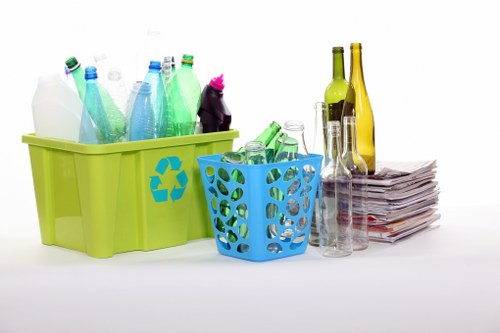
A collection of recyclable waste items placed in two plastic containers against a plain white background. The larger container, in light green, holds several plastic bottles of different colors, including clear, blue, and green, with some bottles featuring caps and labels. To the right, a smaller blue basket contains more plastic bottles, with a few broken or partially collapsed. Adjacent to the baskets, there are empty glass bottles with green and yellow hues, some with long necks and slender bodies, set next to a neat stack of crumpled newspapers or paper waste. The arrangement suggests a focus on environmentally conscious rubbish separation, suitable for a professional waste removal service operating around Limehouse or the wider East London area. The items are organized on a clean surface, emphasizing proper disposal of recyclable materials, in line with rubbish clearance services provided by Commercial Waste Limehouse, often needed in urban environments with diverse waste streams.

Types of Builders Waste

Builders waste encompasses various materials generated during construction projects. Common types include:

  • Concrete and Masonry: Fragments from foundations, walls, and other structures.
  • Wood and Timber: Offcuts from framing, flooring, and cabinetry.
  • Metals: Scrap from plumbing, wiring, and structural supports.
  • Plastics and Composites: Packaging materials and specialized construction components.
  • Hazardous Materials: Paints, solvents, and other substances that require careful handling.

Proper classification and disposal of these materials are crucial for effective waste management.
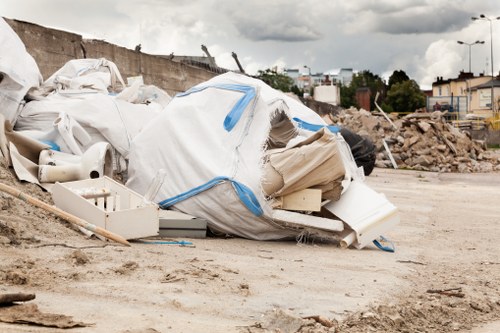
A large pile of mixed builders waste and debris, including white plastic and wooden materials, is seen on a dirt ground in an outdoor construction or demolition site. The waste bags are partially torn, revealing contents such as pipes, packaging, and construction panels. Surrounding the pile, there are scattered smaller fragments of rubble and discarded materials. In the background, a partially constructed or demolished wall can be seen along with distant buildings, trees, and cloudy sky. The scene reflects a typical outdoor area awaiting rubbish clearance by specialists like Commercial Waste Limehouse, operating across Limehouse and nearby areas, in East London. The exposed materials and environment suggest the scene is related to building or renovation waste disposal services in the local area, with the waste pile sitting on a compacted earth surface possibly near a construction site or urban street.

Eco-Friendly Waste Clearance Methods

In Limehouse, there is a growing emphasis on sustainable waste clearance practices. Here are some eco-friendly methods:

  • Recycling: Separating materials to be recycled, such as metals, wood, and certain plastics.
  • Reusing: Donating or selling surplus materials for future projects.
  • Safe Disposal: Properly disposing of hazardous waste in compliance with environmental regulations.
  • Waste Minimization: Implementing strategies to reduce waste generation at the source.

Adopting these practices not only benefits the environment but can also enhance the reputation of construction businesses in Limehouse.
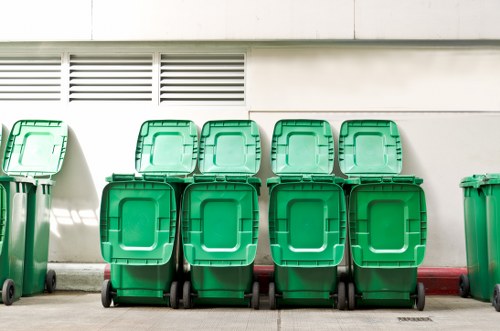
A row of eight green wheeled waste bins with closed lids, standing in front of a beige building wall with ventilation slats near the top. The bins are positioned on a grey paved surface, closely lined up, with some bins slightly leaning or overlapping. The background includes a white wall with horizontal vents and a narrow strip of pavement with a red painted curb. The lighting suggests daylight, resulting in clear shadows cast on the wall and ground. These waste bins, used for rubbish collection in Limehouse, are arranged on a driveway or pavement area, and are part of a waste management service operated by Commercial Waste Limehouse, serving local businesses and residents needing rubbish clearance solutions in the London E14 postcode area.

Choosing the Right Builders Waste Clearance Service

Selecting a reliable and professional waste clearance service is vital for the success of your construction project. Consider the following factors when making your choice:

  1. Experience and Expertise: Look for companies with a proven track record in builders waste clearance.
  2. Compliance: Ensure the service provider adheres to local regulations and environmental standards.
  3. Range of Services: Opt for providers offering comprehensive solutions, from waste collection to recycling.
  4. Pricing: Compare quotes to find a service that fits your budget without compromising on quality.
  5. Customer Reviews: Check testimonials and feedback to gauge the reliability and professionalism of the service.

By carefully evaluating these aspects, you can choose a waste clearance partner that meets your project needs effectively.

A blue recycling bin with a white recycling symbol on its front, filled with various waste items including multiple clear and green plastic bottles, some with blue caps, a partially visible cardboard egg carton, and crumpled newspapers or paper documents, all arranged on a plain light grey background. The bottles are of different heights and shapes, with smooth surfaces and transparent or semi-transparent textures, some standing upright while others are leaning or stacked loosely within the bin. The crumpled paper extends above the rim of the bin, and the cardboard egg carton is partly visible, hinting at mixed household waste. This scene appears to be set in a clean environment, emphasizing waste collection and recycling practices relevant to rubbish removal services in the Limehouse area.

Benefits of Professional Builders Waste Clearance

Engaging a professional waste clearance service offers numerous advantages:

  • Time Efficiency: Professionals can swiftly manage waste clearance, allowing construction to proceed without delays.
  • Safety Assurance: Trained personnel handle waste disposal, reducing the risk of accidents.
  • Environmental Responsibility: Experts ensure that waste is managed sustainably, minimizing environmental impact.
  • Cost Savings: Efficient waste management can lower overall project costs by preventing unforeseen expenses.

These benefits make professional waste clearance a valuable investment for any construction project in Limehouse.

A close-up image of a metallic rubbish bin filled with various waste items, including crumpled brown paper, empty plastic bottles, aluminum cans, and a small, colorful globe-shaped object. The bin is situated against a dark, textured background, and the waste materials are tightly packed, showing different textures such as smooth plastic, crinkled paper, and shiny metal. The scene highlights typical household or office waste, with the bin's lid partially visible at the top edge, emphasizing the context of rubbish disposal and waste management. This detailed visual depiction aligns with services like those offered by Commercial Waste Limehouse for the efficient removal and clearance of rubbish, including general waste and recyclables in the Limehouse area, often associated with local waste collection processes in East London.

Steps Involved in Builders Waste Clearance

Understanding the process of builders waste clearance can help you manage expectations and ensure smooth operations. The typical steps include:

  1. Assessment: The service provider evaluates the volume and types of waste generated.
  2. Planning: A customized waste clearance plan is developed based on the assessment.
  3. Collection: Waste materials are systematically collected from the site.
  4. Sorting: Materials are sorted for recycling, reusing, or disposal.
  5. Disposal: Non-recyclable waste is safely disposed of in accordance with regulations.
  6. Documentation: Proper records are maintained for compliance and tracking purposes.

These steps ensure that builders waste clearance is handled efficiently and responsibly.

A collection of recyclable waste items placed in two plastic containers against a plain white background. The larger container, in light green, holds several plastic bottles of different colors, including clear, blue, and green, with some bottles featuring caps and labels. To the right, a smaller blue basket contains more plastic bottles, with a few broken or partially collapsed. Adjacent to the baskets, there are empty glass bottles with green and yellow hues, some with long necks and slender bodies, set next to a neat stack of crumpled newspapers or paper waste. The arrangement suggests a focus on environmentally conscious rubbish separation, suitable for a professional waste removal service operating around Limehouse or the wider East London area. The items are organized on a clean surface, emphasizing proper disposal of recyclable materials, in line with rubbish clearance services provided by Commercial Waste Limehouse, often needed in urban environments with diverse waste streams.

Cost Factors in Builders Waste Clearance

The cost of builders waste clearance can vary based on several factors:

  • Volume of Waste: Larger projects generate more waste, increasing disposal fees.
  • Type of Waste: Hazardous or specialized materials may incur higher costs due to handling requirements.
  • Service Level: Comprehensive services, including recycling and sorting, may be priced higher.
  • Location: Proximity to disposal facilities can affect transportation costs.
  • Frequency: Regular clearance services might offer discounted rates for ongoing projects.

Understanding these factors can help you budget effectively and choose a service that offers the best value.

A large pile of mixed builders waste and debris, including white plastic and wooden materials, is seen on a dirt ground in an outdoor construction or demolition site. The waste bags are partially torn, revealing contents such as pipes, packaging, and construction panels. Surrounding the pile, there are scattered smaller fragments of rubble and discarded materials. In the background, a partially constructed or demolished wall can be seen along with distant buildings, trees, and cloudy sky. The scene reflects a typical outdoor area awaiting rubbish clearance by specialists like Commercial Waste Limehouse, operating across Limehouse and nearby areas, in East London. The exposed materials and environment suggest the scene is related to building or renovation waste disposal services in the local area, with the waste pile sitting on a compacted earth surface possibly near a construction site or urban street.

Regulations and Compliance in Limehouse

Builders waste clearance in Limehouse is governed by local and national regulations aimed at ensuring environmental protection and public safety. Key compliance aspects include:

  • Waste Classification: Proper identification and categorization of waste materials.
  • Licensing: Ensuring waste disposal companies are licensed to handle specific types of waste.
  • Reporting: Maintaining accurate records of waste disposal activities.
  • Recycling Requirements: Adhering to regulations that mandate recycling specific materials.

Staying compliant not only avoids legal penalties but also promotes responsible waste management practices.

A row of eight green wheeled waste bins with closed lids, standing in front of a beige building wall with ventilation slats near the top. The bins are positioned on a grey paved surface, closely lined up, with some bins slightly leaning or overlapping. The background includes a white wall with horizontal vents and a narrow strip of pavement with a red painted curb. The lighting suggests daylight, resulting in clear shadows cast on the wall and ground. These waste bins, used for rubbish collection in Limehouse, are arranged on a driveway or pavement area, and are part of a waste management service operated by Commercial Waste Limehouse, serving local businesses and residents needing rubbish clearance solutions in the London E14 postcode area.

Innovative Solutions in Builders Waste Clearance

Advancements in waste management technology have introduced innovative solutions for builders waste clearance. Some of these include:

  • Automated Sorting Systems: Enhancing the efficiency of separating recyclable materials.
  • Eco-friendly Transportation: Using electric or low-emission vehicles for waste collection.
  • Digital Tracking: Implementing software to monitor waste disposal in real-time.
  • Waste-to-Energy Technologies: Converting non-recyclable waste into usable energy.

These innovations contribute to more sustainable and effective waste clearance processes in Limehouse.

A blue recycling bin with a white recycling symbol on its front, filled with various waste items including multiple clear and green plastic bottles, some with blue caps, a partially visible cardboard egg carton, and crumpled newspapers or paper documents, all arranged on a plain light grey background. The bottles are of different heights and shapes, with smooth surfaces and transparent or semi-transparent textures, some standing upright while others are leaning or stacked loosely within the bin. The crumpled paper extends above the rim of the bin, and the cardboard egg carton is partly visible, hinting at mixed household waste. This scene appears to be set in a clean environment, emphasizing waste collection and recycling practices relevant to rubbish removal services in the Limehouse area.

Case Studies: Successful Waste Clearance Projects

Examining real-life examples can illustrate the effectiveness of professional builders waste clearance:

  • Residential Development in Canary Wharf: A comprehensive waste clearance plan reduced disposal costs by 20%.
  • Commercial Renovation in East India Dock: Implementing recycling strategies minimized landfill use by 30%.
  • Infrastructure Project near Tower Bridge: Utilizing digital tracking ensured compliance with all environmental regulations.

These case studies highlight the positive impact of strategic waste clearance on project outcomes.

A close-up image of a metallic rubbish bin filled with various waste items, including crumpled brown paper, empty plastic bottles, aluminum cans, and a small, colorful globe-shaped object. The bin is situated against a dark, textured background, and the waste materials are tightly packed, showing different textures such as smooth plastic, crinkled paper, and shiny metal. The scene highlights typical household or office waste, with the bin's lid partially visible at the top edge, emphasizing the context of rubbish disposal and waste management. This detailed visual depiction aligns with services like those offered by Commercial Waste Limehouse for the efficient removal and clearance of rubbish, including general waste and recyclables in the Limehouse area, often associated with local waste collection processes in East London.

Tips for Effective Builders Waste Management

Efficient waste management can significantly enhance the success of your construction project. Here are some tips:

  • Plan Ahead: Develop a waste clearance plan before starting the project.
  • Educate Your Team: Ensure everyone understands the importance of proper waste management.
  • Separate Waste Streams: Categorize waste at the source to facilitate recycling and disposal.
  • Choose Sustainable Materials: Opt for materials that are easier to recycle or reuse.
  • Monitor Progress: Regularly review waste clearance processes to identify areas for improvement.

Implementing these practices can lead to a more organized and environmentally responsible construction process.

A collection of recyclable waste items placed in two plastic containers against a plain white background. The larger container, in light green, holds several plastic bottles of different colors, including clear, blue, and green, with some bottles featuring caps and labels. To the right, a smaller blue basket contains more plastic bottles, with a few broken or partially collapsed. Adjacent to the baskets, there are empty glass bottles with green and yellow hues, some with long necks and slender bodies, set next to a neat stack of crumpled newspapers or paper waste. The arrangement suggests a focus on environmentally conscious rubbish separation, suitable for a professional waste removal service operating around Limehouse or the wider East London area. The items are organized on a clean surface, emphasizing proper disposal of recyclable materials, in line with rubbish clearance services provided by Commercial Waste Limehouse, often needed in urban environments with diverse waste streams.

The Future of Builders Waste Clearance in Limehouse

The landscape of builders waste clearance is evolving with a strong focus on sustainability and innovation. Future trends include:

  • Increased Recycling Efforts: Expanding the range of materials that can be recycled.
  • Advanced Technology: Incorporating AI and machine learning for better waste management.
  • Circular Economy: Promoting the reuse and repurposing of construction materials.
  • Stricter Regulations: Anticipating more comprehensive waste management laws.

Staying informed about these trends will help businesses and individuals adapt and thrive in the changing waste management landscape.

A large pile of mixed builders waste and debris, including white plastic and wooden materials, is seen on a dirt ground in an outdoor construction or demolition site. The waste bags are partially torn, revealing contents such as pipes, packaging, and construction panels. Surrounding the pile, there are scattered smaller fragments of rubble and discarded materials. In the background, a partially constructed or demolished wall can be seen along with distant buildings, trees, and cloudy sky. The scene reflects a typical outdoor area awaiting rubbish clearance by specialists like Commercial Waste Limehouse, operating across Limehouse and nearby areas, in East London. The exposed materials and environment suggest the scene is related to building or renovation waste disposal services in the local area, with the waste pile sitting on a compacted earth surface possibly near a construction site or urban street.

Conclusion

Effective builders waste clearance in Limehouse is essential for maintaining safe and sustainable construction sites. By leveraging professional services, adopting eco-friendly practices, and staying compliant with regulations, you can ensure that your building projects are not only successful but also environmentally responsible.

Don’t let waste clearance overwhelm your project. Contact us today to discover how our expert services can streamline your construction process and contribute to a greener Limehouse.

Commercial Waste Limehouse

A comprehensive guide on builders waste clearance in Limehouse, covering importance, types, eco-friendly methods, choosing services, and future trends.

Book Your Waste Collection

Get In Touch With Us.

Please fill out the form below to send us an email and we will get back to you as soon as possible.