Commercial Waste Limehouse: Recycling and Sustainability Strategy
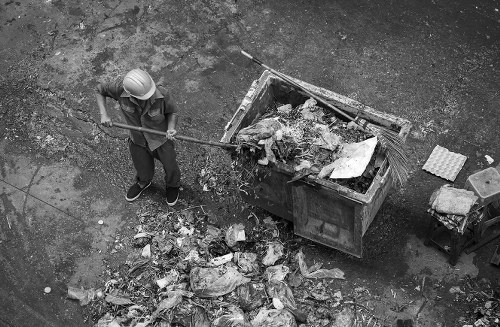 Commercial Waste Limehouse is committed to transforming the way businesses manage refuse in the area. This page outlines our approach to creating an eco-friendly waste disposal area and a truly sustainable rubbish area for offices, retail units and light industrial sites across Limehouse and the surrounding boroughs. Our focus is practical separation at source, higher resource recovery and partnerships that extend the life of urban materials.
Working alongside the boroughs' approach to waste separation, local policies emphasise clear kerbside segregation of paper, card, glass, metals and separate food waste streams. We align our business collections to complement municipal services so that Limehouse commercial recycling efforts feed into the same local materials recovery networks and composting streams.
Targeted Recycling Performance and Ambitions
 Our formal recycling percentage target is 70% diverted from landfill by 2030. To reach this ambitious goal we monitor waste streams monthly, set improvement milestones for each customer site and invest in training, signage and containerisation that make separation intuitive for staff. The target covers both dry mixed recycling and organics where applicable, creating a measurable route to a lower-carbon, circular outcome for Limehouse commercial waste.
Local transfer stations play a crucial role in achieving the target. We work with nearby transfer stations and materials recovery facilities (MRFs) across East London to ensure fast, low-mileage movement of sorted materials. By consolidating collections and using efficient haul routes the amount of double-handling is reduced, leading to cleaner recyclable streams and fewer emissions from transport.
Our partnerships with charities and reuse organisations are central to a sustainable rubbish area model. Rather than treating usable items as refuse, we route intact furniture, surplus office equipment, textiles and packaged-but-unneeded consumer goods to local charities, social enterprises and redistribution schemes. This creates social value while keeping materials in circulation.
 We operate a modern fleet of low-carbon vans including electric and plug-in hybrid vehicles for short urban trips, and route-optimised Euro 6 vehicles for heavier loads. These low-emission collection vehicles reduce the carbon footprint of Limehouse commercial rubbish collection and support the broader goal of an eco-friendly waste disposal area.
Practical Recycling Activities in the Area
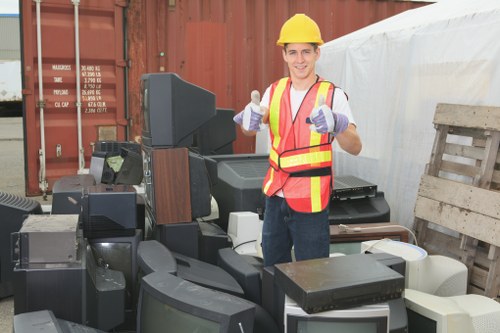
Typical recycling activity in Limehouse and neighbouring boroughs focuses on: paper and card segregation, glass collection, metal and plastic capture, responsible handling of WEEE (electricals) and separate food waste collections where premises have catering. Construction and demolition waste is also managed through separate streams for concrete, timber and metals to maximise reuse and recycling rates.
To support these activities we supply clear labelling, dedicated bins for dry mixed recycling and organics, and bespoke container solutions for waste-heavy trades. Businesses participating in our sustainable rubbish area programme receive regular audits and actionable feedback to improve capture rates and reduce contamination.
Our community-focused reuse pathways and charitable partnerships are formalised through service agreements with local non-profit organisations and refurbishers. Items that cannot be recycled immediately are assessed for repair or refurbishment, then redirected to organisations that benefit the local population, strengthening the circular economy within Limehouse.
 Creating an eco-friendly waste disposal area also requires transparency and reporting. Clients receive periodic waste and recycling reports that show progress against the 70% recycling percentage target, carbon savings from low-carbon vans, and metrics on material weights sent to transfer stations and reuse partners.
We maintain compliance with borough collection requirements and offer guidance on how to adapt to new municipal policies on separation and extended producer responsibility. While we don't provide step-by-step guides on this page, our operational model is designed to be fully compatible with Tower Hamlets and neighbouring authorities' separation priorities.
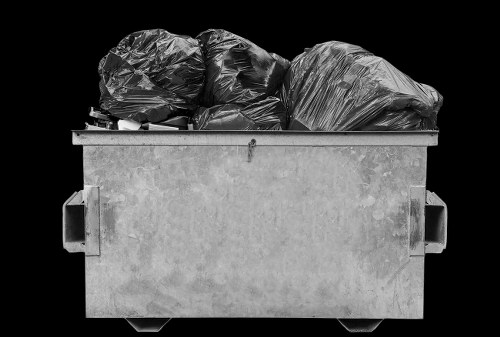 Businesses in Limehouse benefit from reduced landfill costs, improved sustainability credentials and simplified compliance when they adopt our commercial rubbish Limehouse services. Strong collaboration between hauliers, transfer stations, charities and clients creates an efficient, resilient system that increases recycling rates and supports local communities.
Key elements of our sustainable approach include:
- Clear waste separation streams for paper, glass, metal, plastics and organics;
- Use of local transfer stations and MRFs to minimise haul distance and improve material quality;
- Partnerships with charities and reuse networks to extend product life and reduce disposal;
- Deployment of low-carbon vans and fleet optimisation to cut transport emissions.
By combining these elements we create a scalable model for commercial waste Limehouse that is both practical for businesses and beneficial for the wider urban environment. Our sustainable rubbish area strategy is focused on measurable outcomes, community benefits and continual improvement, ensuring that Limehouse remains a leader in eco-friendly waste disposal across East London.
