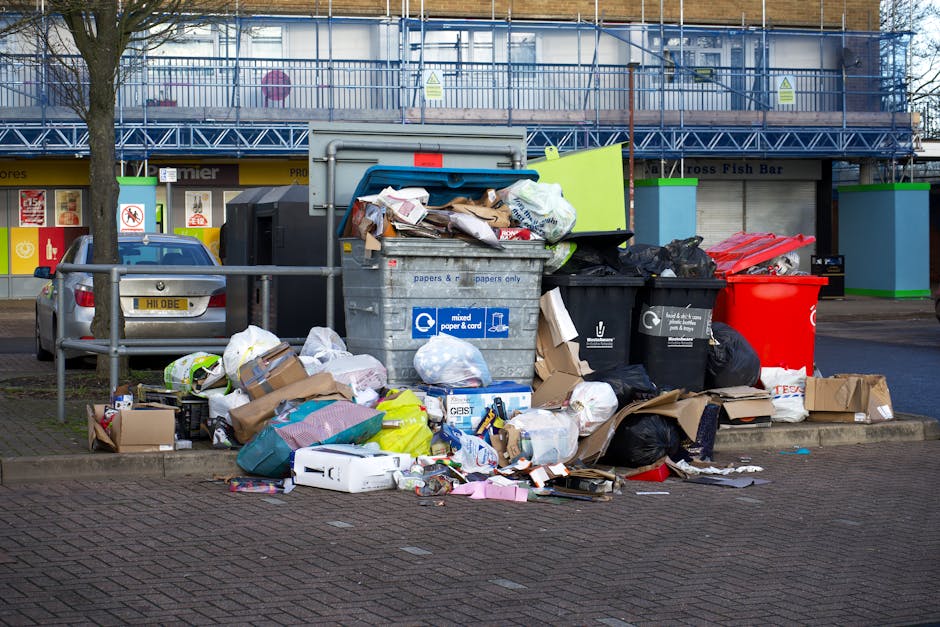
Avoid hidden rubbish removal fees Limehouse Tower Hamlets council
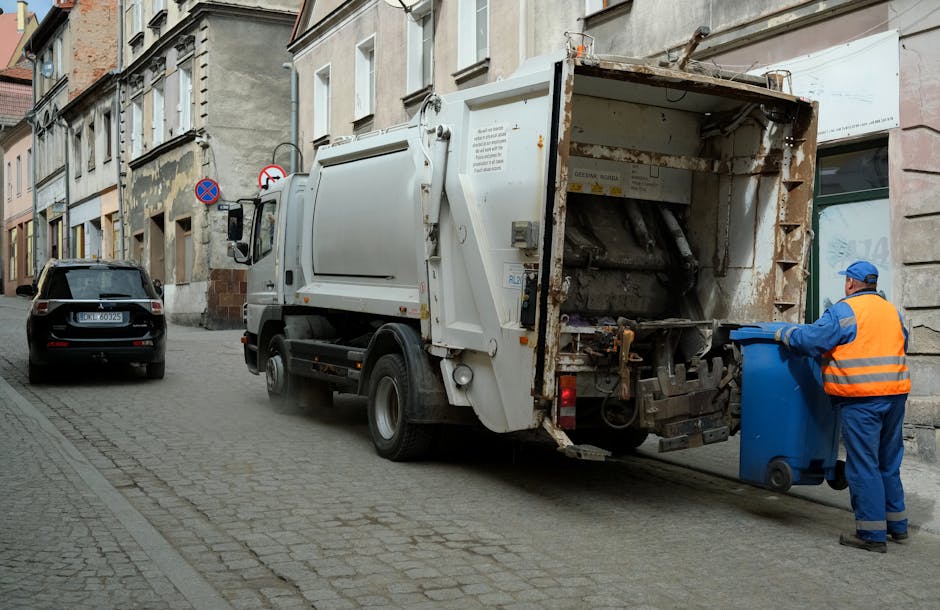
If you are trying to avoid hidden rubbish removal fees Limehouse Tower Hamlets council, you are probably already sensing the main problem: the price you first hear is not always the price you finally pay. A van turns up, the pile looks bigger than expected, an awkward lift is discovered at the door, and suddenly the bill has crept up. Not ideal. This guide breaks down the common fee traps, how to compare rubbish removal quotes properly, and what to check before you book in Limehouse and the wider Tower Hamlets area.
The aim is simple. You should know exactly what is included, what may cost extra, and how to spot a quote that is clean, fair, and easy to understand. A little care at the start can save money, time, and a fair bit of frustration later on.
Why Avoid hidden rubbish removal fees Limehouse Tower Hamlets council Matters
Hidden rubbish removal fees are more than a nuisance. They can turn a straightforward clearance into a stressful, over-budget job. In a busy place like Limehouse, where access can be tight, parking can be awkward, and flats are often on upper floors, pricing needs to be clear from the outset. Otherwise, you are left guessing what the final invoice will look like. And let's face it, nobody enjoys that moment.
For homeowners, landlords, tenants, office managers, and builders, the real issue is not just cost. It is trust. If a company is vague about how it prices a load, what counts as heavy waste, or whether labour and loading are included, you are taking a risk. A low headline price can be perfectly real, but only if you understand the conditions attached.
There is also a local angle. In Tower Hamlets, access routes, shared entrances, controlled parking zones, and estate rules can all affect the logistics of waste collection. If a provider does not ask the right questions early, that can lead to surprise charges later. The best approach is to treat the quote like a mini contract: read it, question it, and confirm the details before the van arrives.
Expert summary: The cheapest rubbish removal quote is not always the best value. A clear, itemised price with honest assumptions usually beats a bargain headline that hides extras.
How Avoid hidden rubbish removal fees Limehouse Tower Hamlets council Works
In practical terms, avoiding hidden fees starts with understanding how rubbish removal companies normally build a price. Most providers will base the quote on a mix of volume, weight, item type, labour, access, and disposal method. That means the more detailed your description, the better the estimate tends to be. Simple enough, but it is where many people go wrong.
For example, a small pile of mixed household waste might be priced very differently from a similar-looking pile that includes soil, rubble, plasterboard, fridges, mattresses, or other bulky items. Those materials often need different handling and disposal routes. If a customer says "just a bit of rubbish" and the team arrives to find two heavy wardrobes, an old freezer, and a broken desk, the quote may need adjusting. That part is not automatically unfair. The problem is when the adjustment was never explained.
Good providers usually explain whether their price includes:
- loading and labour
- travel to and from the site
- disposal or recycling costs
- stairs, narrow access, or long carry distances
- special handling for restricted items
- out-of-hours or same-day callout charges
If you want more certainty, it helps to ask for a written quote and an itemised breakdown. That is exactly the kind of habit that keeps hidden rubbish removal fees from sneaking in. A quick call can save a surprising amount of back-and-forth later.
If your clearance is part of a bigger project, you may also want to compare it with builders waste clearance or house clearance depending on what you are actually moving. Different jobs come with different assumptions, and the wrong category can make pricing less accurate.
Key Benefits and Practical Advantages
Transparent pricing is not just about saving a few pounds. It improves the whole experience. You get fewer surprises, less dispute, and a much clearer idea of what is happening on the day. If you have ever had a clearance stall because no one agreed on the final cost, you know how annoying that can be. The dust is in the air, the kettle is off, and everybody is just standing around. Not fun.
Here are the main advantages of getting the price right early:
- Budget control: you can compare quotes properly and avoid paying more than expected.
- Faster booking: clear information means the provider can give a firmer estimate without endless follow-up questions.
- Less stress: you do not have to wonder what the final bill will be.
- Better service fit: the company can send the right team and vehicle for the job.
- Cleaner decisions: you can choose between rubbish removal, skip hire, or specialist clearance with confidence.
There is also a quality benefit. Companies that explain fees clearly often explain the rest of the job clearly too: what they can take, how they handle recycling, what needs separate disposal, and how they deal with fragile access or parking restrictions. That tends to be a good sign.
For residents and businesses who need recurring help, a trustworthy pricing structure matters even more. If you are arranging regular office or commercial clearances, you may want to review business waste removal or office clearance so you can see how the service model differs from one-off domestic jobs.
Who This Is For and When It Makes Sense
This topic matters to more people than you might think. The obvious group is anyone getting rid of bulky waste in Limehouse or Tower Hamlets. But the practical reality is broader than that.
You will probably benefit from a careful pricing check if you are:
- clearing a flat after a move
- disposing of broken furniture or a mattress
- emptying a loft, garage, or shed
- handling post-renovation rubble or builders' waste
- removing office clutter, archived items, or confidential material
- sorting out an inherited property with mixed contents
- dealing with awkward items like fridges, appliances, or sofas
It also makes sense if you are trying to decide between a skip and a man-and-van style clearance. That choice often comes down to access, time, and cost certainty. If you have a basement, top-floor flat, or a narrow street with parking pressure, a clearance service may be more practical than a skip. But again, the price needs to be understood properly.
And if your load includes unusual items, it is worth checking specialist pages such as fridge and appliance removal, mattress and sofa disposal, or hazardous waste disposal so you know where the edges are. That little bit of homework makes the final quote far more reliable.
Step-by-Step Guidance
If you want to avoid hidden rubbish removal fees properly, follow a simple process. No complicated system. Just a few sensible checks.
- List everything you want removed. Be specific. "Old furniture, one mattress, three bags of mixed waste, two broken shelves" is much better than "junk".
- Take clear photos. Wide shots and close-ups both help. A phone photo taken in daylight can show volume better than a description alone.
- Note access details. Stairs, lifts, parking, distance from the road, and any restrictions all matter.
- Ask what is included in the quote. Loading, labour, disposal, congestion, parking, and waiting time should all be clear.
- Check item restrictions. Some materials need specialist handling, and that should be discussed before collection day.
- Request a written quote. Written details reduce misunderstandings. A verbal estimate is useful, but it should not be your only reference.
- Confirm the worst-case scenario. Ask what would cause the price to change and by how much.
- Keep communication open on the day. If the load has grown or access has changed, say so before the team starts lifting.
A useful habit is to ask one plain-English question: "What could make this price go up?" If the answer is careful and specific, that is reassuring. If the answer is vague, well... you have learned something important.
If you are planning a broader clearance, you can also check whether a service like home clearance, flat clearance, garage clearance, or loft clearance is the best fit for the job. Matching the right service to the contents is one of the easiest ways to keep pricing honest.
Expert Tips for Better Results
A few small habits can make a big difference to cost clarity. These are the sort of things that, in our experience, separate a smooth clearance from a messy one.
- Photograph everything in one place before you book. Moving items around can make the pile look smaller than it really is.
- Separate special items early. Fridges, mattresses, electricals, and heavy builders' waste are easier to price when they are flagged in advance.
- Be honest about volume. Over-optimistic estimates are the fastest route to a revised bill.
- Ask whether recycling is included. Not because recycling always costs extra, but because good firms should explain how they process waste.
- Confirm timing carefully. Same-day work, evening slots, and tight turnaround periods can change the price structure.
- Read the terms before you book. It sounds obvious, but plenty of people skip this. Then the fine print bites later.
Another good tip: if you are comparing several companies, do not compare just the total. Compare what the total includes. A lower quote with unclear loading terms is not really a better quote. It is just a lower number on paper.
For customers who care about ethical disposal and waste sorting, the page on recycling and sustainability is a useful reminder that responsible disposal and transparent pricing often go hand in hand. A provider that explains where waste goes is usually thinking clearly about the whole process.
Common Mistakes to Avoid
People usually do not get caught out because they are careless. More often, they are rushed. A move is happening, tradespeople are waiting, the weekend is close, and the first available quote looks good enough. That is where hidden fees creep in.
Common mistakes include:
- Booking on headline price only. The lowest advertised rate may exclude key costs.
- Using vague descriptions. "A bit of rubbish" is not enough for a serious quote.
- Ignoring access problems. A fourth-floor walk-up is not the same as a ground-floor collection.
- Forgetting prohibited or specialist items. Some waste streams need separate arrangements.
- Not asking about waiting time. If the team arrives and cannot start straight away, time-based charges may apply.
- Assuming everything will be taken in one go. Mixed loads can need sorting or separate pricing.
One sneaky issue is underestimating the amount of labour involved. A single bulky sofa in a clear driveway is very different from the same sofa in a narrow hallway on a rainy evening. The price should reflect the reality on the ground. That is fair enough. What is not fair is discovering it after the fact.
Try to avoid the classic "I thought that was included" conversation. It happens more than people admit.
Tools, Resources and Recommendations
You do not need a toolbox full of software or anything flashy. A phone, a checklist, and a bit of common sense are usually enough. Still, a few simple resources make the job easier.
- Phone camera: take clear photos of the waste and access route.
- Notes app: list item types, rough quantities, and any special handling needs.
- Measuring tape: useful for large furniture, appliances, or awkward spaces.
- Calendar reminders: confirm the booking time, parking arrangements, and any building access instructions.
From a website point of view, the most useful pages for a careful customer are often the ones that explain the service in context. If your job involves a specific clearance type, the following can help you narrow things down:
- furniture clearance for bulky household items
- furniture disposal for single-item removals
- garden clearance for green waste and outdoor clutter
- builders waste clearance for renovation debris
- what can go in a skip if you are still deciding between a skip and collection
For booking and policy details, the most practical supporting pages are pricing and quotes, book online, payment and security, and terms and conditions. They help you understand the process before money changes hands, which is really the whole point here.
Law, Compliance, Standards, or Best Practice
Waste removal is not just a pricing issue. It is also a compliance issue. In the UK, waste must be handled and transported responsibly, and customers should be careful about who they hand it over to. You do not need to become a compliance expert, but you should expect a professional provider to operate responsibly and explain how waste is dealt with.
Best practice usually includes:
- clear identification of restricted or specialist waste
- safe loading and transportation
- appropriate disposal or recycling routes
- transparent terms around pricing and access conditions
- reasonable communication about what happens if the job changes on arrival
If a company seems evasive about handling certain waste types, that is a warning sign. Likewise, if the quote language is intentionally fuzzy, be cautious. A good provider should be able to explain how they handle different waste streams in plain English. No jargon festival, please.
It is also sensible to check service policies around health and safety, insurance, and complaints. Those pages tell you a lot about how a company behaves when things do not go perfectly. And to be fair, not every job goes perfectly. A door is narrower than expected, a lift breaks, or a load turns out heavier than it looked. The question is how the provider handles that moment.
Useful supporting pages include health and safety policy, insurance and safety, complaints procedure, and about us. They help build confidence that the service is run properly, not just sold well.
Options, Methods, or Comparison Table
If you are trying to keep costs under control, it helps to compare the main waste removal methods side by side. Different jobs call for different solutions, and the cheapest option on paper is not always the most practical one.
| Option | Best for | Typical pricing risk | Main advantage |
|---|---|---|---|
| Man-and-van rubbish removal | Mixed household waste, bulky items, fast clearances | Can rise if volume, access, or special items were not explained clearly | Convenient, quick, labour included |
| Skip hire | DIY projects, ongoing builder waste, jobs where you can fill over time | Permit needs, overfilling, restricted waste rules | Good for longer projects |
| Specialist item removal | Appliances, sofas, mattresses, hazardous items | Extra charges if the item type is not declared in advance | Handled correctly and safely |
| Full property clearance | End-of-tenancy, probate, moving, downsizing | Scope creep if the contents are broader than first described | Comprehensive and efficient |
For many Limehouse customers, the best value comes from matching the method to the job rather than chasing the lowest headline rate. If you only have one bulky item, a specialist removal may be perfect. If you are stripping out a room, a broader clearance may make more sense. Simple, but easy to overlook when you are in a rush.
Case Study or Real-World Example
Here is a realistic example, based on the kind of situation people often face. A tenant in Limehouse is moving out of a one-bedroom flat and needs to remove a worn sofa, a broken wardrobe, several black bags of mixed clutter, and an old fridge. The first quote they receive sounds attractive, but it only covers "general waste" and assumes easy access from street level.
Then the details emerge. The flat is on an upper floor, parking is tight, and the fridge needs separate handling. If they had booked on the headline price alone, the final invoice would likely have been higher than expected. Instead, they send photos, explain the access, and ask for a firm breakdown before confirming. The revised quote is more realistic from the start.
Was it a little more expensive than the teaser price? Yes. But it was also honest, predictable, and easier to budget for. That is the trade-off you want. Not the cheapest number, the truest one.
This same approach works for business clearances too. An office in Tower Hamlets with cabinets, desk units, and confidential paperwork should think about confidential shredding alongside regular clearance, because mixing the two jobs without a clear plan can create both cost and compliance issues. Again, the trick is to separate what is ordinary from what needs special handling.
Practical Checklist
Use this checklist before you agree to a rubbish removal booking. It is simple, but it catches most of the problems people later regret.
- Have I described every item clearly?
- Have I shared photos of the waste and access route?
- Do I know whether loading is included?
- Have I asked what could cause the quote to change?
- Do I know how special items are priced?
- Have I confirmed the collection time and access instructions?
- Have I read the terms and conditions?
- Do I understand the payment method and timing?
- Have I checked the company's safety and complaints information?
- Have I compared the service with other options, such as a skip or a dedicated clearance?
If you can tick all ten, you are in a strong position. Not perfect, because real-life clearances are rarely perfect, but strong enough to avoid most of the annoying surprises.
Get a free quote today and see how much you can save.
Conclusion
The easiest way to avoid hidden rubbish removal fees Limehouse Tower Hamlets council is to treat the quote as a conversation, not a guess. Be specific about what needs removing, honest about access, and direct about what is included in the price. If the provider gives clear answers, a written estimate, and sensible terms, you are usually on safer ground.
In a busy local area like Limehouse, where flats, shared access, and parking realities can complicate even a simple clearance, clear pricing is worth its weight in gold. Or at least worth a decent cup of tea and a much calmer afternoon. The goal is not just to get rid of waste. It is to do it cleanly, fairly, and without unpleasant surprises.
Take the time to ask the right questions now, and the whole job tends to feel lighter. That alone is a win.
Frequently Asked Questions
How do I avoid hidden rubbish removal fees in Limehouse?
Give a full description of the waste, share photos, explain access, and ask for a written quote that says exactly what is included. The more specific you are, the fewer surprises later.
What charges are most likely to be added later?
Common extras include difficult access, longer labour time, special item handling, waiting time, and disposal of restricted materials. These are not always hidden, but they can be if they were never explained properly.
Is a cheap rubbish removal quote always a bad sign?
Not always. Sometimes it is just a fair, efficient quote. The issue is whether the provider explains the conditions behind the price. A low price with clear terms is better than a vague one.
Should I choose rubbish removal or a skip?
It depends on the job. A skip may suit ongoing projects, while rubbish removal is often better for bulky items, awkward access, or fast clearances. If you are unsure, compare both options before booking.
Do stairs or no lift usually increase the price?
They can, because the labour involved is greater. Upper-floor flats are common in London, so it is sensible to mention stairs, lifts, and carry distance at the quoting stage.
Can I get a fixed price in advance?
Often yes, if you provide enough information. Photos, a clear list of items, and access details help a company give a firmer price rather than a rough estimate.
What if the waste amount changes on the day?
Say so before the work begins. If the load is larger than expected, a fair provider should explain the difference clearly before adjusting the price.
Are sofas, mattresses, and fridges treated differently?
Usually yes. Bulky items and appliances often need separate handling, so it is worth checking relevant pages such as mattress and sofa disposal and fridge and appliance removal.
What should a good quote include?
A good quote should explain labour, loading, disposal, access assumptions, any excluded items, and what might change the final price. Written clarity matters more than a flashy headline number.
Why does local access matter so much in Tower Hamlets?
Because local streets, parking, and building layouts can make collection easier or harder. If a provider knows this early, they can price the job more realistically and avoid awkward adjustments later.
Is it worth reading the terms and conditions before booking?
Yes. That is where you usually find the rules around cancellations, payment, service limits, and special items. It is not thrilling reading, but it can save you money.
Where can I check more about payment and service policies?
The most useful supporting pages are pricing and quotes, payment and security, complaints procedure, and about us.
What is the single best thing I can do to avoid surprise charges?
Send clear photos and ask, in plain English, "What could make this price go up?" That one question reveals a lot about how transparent the service really is.