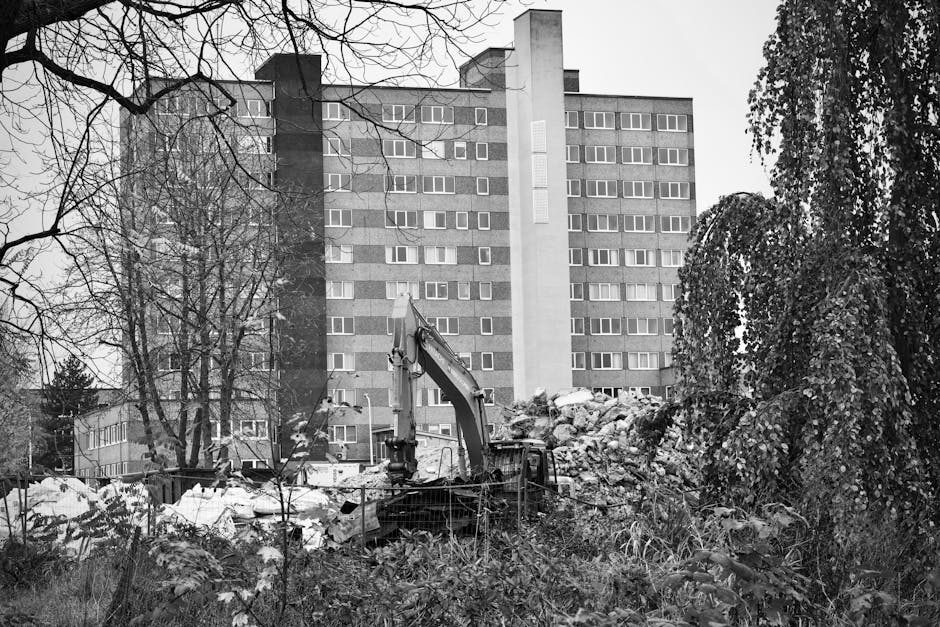
Limehouse St Dunstans Estate rubbish clearance practical guide
If you live, work, or manage property around St Dunstans Estate in Limehouse, rubbish clearance can turn from a small job into a messy afternoon very quickly. Bags stack up, bulky items block corridors, and one awkward fridge or broken wardrobe can throw the whole plan off. This Limehouse St Dunstans Estate rubbish clearance practical guide is here to make the process feel straightforward, calm, and properly manageable.
Whether you are clearing a flat, dealing with post-tenant waste, sorting out old furniture, or simply trying to reclaim a bit of space, the same questions tend to come up: what can go, what should be separated, how fast can it be done, and what is the least stressful route? Let's deal with those properly, without fluff.
One thing worth saying early on: the best clearance job is usually the one that feels almost boring when it is finished. No clutter left behind, no last-minute panic, no mystery pile by the lift. That is the aim here.
Table of Contents
- Why this guide matters
- How the clearance process works
- Key benefits and practical advantages
- Who this is for and when it makes sense
- Step-by-step guidance
- Expert tips for better results
- Common mistakes to avoid
- Tools, resources and recommendations
- Law, compliance, standards, and best practice
- Options and comparison table
- Case study or real-world example
- Practical checklist
- Conclusion
- Frequently asked questions
Why Limehouse St Dunstans Estate rubbish clearance practical guide Matters
Rubbish clearance on an estate is different from a simple one-bag job at the kerb. You are usually working around shared access, stairwells, lifts, neighbours, parking limits, and the usual London reality of not having endless space to spread things out. That is why a practical guide matters: it helps you avoid disruption, wasted time, and the sort of half-finished clearance that sits in the way for days.
On St Dunstans Estate, a clearance plan needs to account for the building environment as much as the waste itself. A mattress leaning against a wall for two hours may be harmless in one setting and a complete nuisance in another. If you have ever heard the dull thud of furniture scraping down communal stairs at 8 a.m., you already know the issue.
It also matters because rubbish is rarely just rubbish. Mixed waste can include recyclables, reusable furniture, confidential papers, electricals, and items that need special handling. Get the sorting wrong and you can create extra cost or extra hassle later. Get it right and the whole thing gets simpler. Much simpler.
For many people, the pressure is not just physical clutter. It is emotional too. Clearing a loved one's home, preparing for a move, or dealing with end-of-tenancy waste can be tiring. A well-ordered approach gives you a bit of breathing room and makes the day feel less like a fire drill.
How Limehouse St Dunstans Estate rubbish clearance practical guide Works
Most rubbish clearance jobs follow the same basic pattern, even if the details change. First, you identify the waste. Then you separate what can be reused, recycled, donated, or disposed of. After that, you decide whether you need a simple collection, a larger clearance, or a specialist service for items such as appliances, mattresses, or hazardous materials.
In practical terms, a good clearance process usually looks like this:
- Assess the load. Walk through the property or storage area and note what needs removing.
- Separate categories. Keep furniture, general waste, electricals, and restricted items apart where possible.
- Check access. Measure doorways, stairs, lift size, and any awkward corners. The sofa may fit. The turning point at the landing may not.
- Choose the right method. A full waste removal service, a flat clearance, or a targeted disposal service may suit different jobs.
- Prepare the space. Clear a route, protect floors if needed, and make sure items are ready to move.
- Remove and sort. Waste should then be collected, loaded, and directed into the appropriate disposal or recycling stream.
The process sounds simple because, in principle, it is. The challenge is in the details. A single fridge, for example, is not the same as a bag of cardboard. That is why services like fridge and appliance removal can be useful when the job includes bulky electricals that need careful handling.
Likewise, if the clearance involves old tables, chairs, wardrobes, or worn-out lounge pieces, a dedicated furniture clearance or mattress and sofa disposal option may be more sensible than trying to treat everything as generic rubbish. It saves time, and honestly, it saves arguments too.
Key Benefits and Practical Advantages
The obvious benefit is space. But the real value of a proper rubbish clearance is often broader than that. You get order, safety, and peace of mind, which tends to matter more than people expect at the start.
- Faster recovery of usable space: Empty rooms feel bigger immediately, even before they are cleaned or redecorated.
- Less lifting and moving around: A planned clearance reduces repeated trips, back strain, and accidental damage.
- Cleaner shared areas: On an estate, keeping hallways and entrances tidy is a courtesy to neighbours and residents.
- Better sorting for recycling: Separation at source often makes recycling and sustainability easier to manage.
- Lower stress during property changes: Moving, letting, renovating, or downsizing all become less chaotic.
There is also a practical commercial benefit for landlords, agents, and property managers. A tidy, properly cleared property is easier to inspect, photograph, market, or hand over. That matters when deadlines are tight and the next person wants the keys yesterday.
If the clearance forms part of a larger property reset, you may also want to look at broader options like home clearance, flat clearance, or house clearance depending on the size and type of job. Those services fit different scenarios, and picking the right one usually keeps costs and disruption more sensible.
Who This Is For and When It Makes Sense
This guide is useful for anyone who has more waste than they can sensibly handle alone. That includes residents, landlords, letting agents, housing managers, tradespeople, and small businesses working in or near the estate.
It makes sense to arrange rubbish clearance when:
- you are moving out and do not want to leave bulky leftovers behind
- a tenant has abandoned items or left the property cluttered
- you are clearing a loft, garage, or storage area that has become a bit of a time capsule
- you have furniture, appliances, or mixed waste that is too much for normal bins
- you need the space ready for decorating, repairs, or inspection
- you run a small office or business and need regular or one-off waste removal
There is a difference between a tidy-up and a real clearance. A few black bags? That is one thing. A pile of broken shelving, an old desk, a mattress, and a couple of boxes of mixed household bits? That is usually a proper clearance job. In those cases, a dedicated service is often the less painful route.
Businesses, especially, may benefit from business waste removal or office clearance if the waste includes desks, chairs, filing, packaging, or redundant equipment. For trade and renovation jobs, builders waste clearance can be a better fit than general rubbish collection.
Step-by-Step Guidance
Here is the practical version. Not the theoretical one. The one that actually helps on a busy day.
1. Make a rough inventory first
Do not start dragging items out at random. Walk the space and list what needs to go. That might sound obvious, but in real life people often skip it and then discover the awkward item right at the end. The old exercise bike. The broken chest of drawers. The bag full of cables nobody wants to identify.
2. Split the waste into simple groups
Keep it basic:
- reusable furniture
- general household rubbish
- electrical items
- metal, wood, cardboard, and other recyclables
- items needing specialist handling
This helps you avoid contaminating recyclables with general waste. It also makes collections feel more organised. A neat pile is easier for everyone. No one likes a mystery mound.
3. Check access before collection day
Measure stair turns, lift dimensions, and doorway widths if you are not sure a bulky item will fit. In estates, access is often the hidden problem. It is not the weight, it is the corner. The dreaded corner.
If you are clearing a top-floor flat or awkward storage space, a service such as loft clearance may be more relevant than a general collection, because the access plan matters almost as much as the waste itself.
4. Remove what you can safely move yourself
Light bags, empty boxes, and small loose items are usually easiest to gather in advance. But do not force heavy lifting if the item is unstable, awkward, or too heavy for one person. There is no prize for doing it the hard way.
5. Isolate restricted items
Some items should never be mixed into normal rubbish. Batteries, paints, chemicals, certain electricals, and other potentially hazardous materials need careful handling. If you are unsure, treat the item as special until you can confirm the right route. Safer that way.
6. Arrange the collection and confirm expectations
Be clear about what needs to be taken, where it is located, and whether there are any access issues. If you want to understand likely cost drivers, reviewing pricing and quotes can help you think about the job in the right way, especially if the load is mixed or unusually bulky.
7. Do a final sweep afterwards
Once the main waste is gone, check corners, under shelves, behind doors, and inside cupboards. Small bits always hide. Always. A final sweep is the difference between a cleared room and a room that still feels half-finished.
Expert Tips for Better Results
After enough clearances, a few habits consistently make the day easier.
- Use labels or simple notes: Even handwritten tape on boxes can save confusion.
- Keep a "do not remove" zone: Useful if you are working around valuables, tenancy paperwork, or items for donation.
- Plan around building hours: Early morning lifts, noise, and deliveries are never everyone's favourite mix.
- Take photos before and after: This helps landlords, tenants, and managers keep a clear record.
- Separate sharp or breakable items: Broken glass and loose metal edges create avoidable risk.
- Leave a clear path to the exit: It sounds basic, but a cluttered route slows everything down.
Another small tip: if you know there will be furniture that could be reused, keep it clean and visible. A dusty chair in a dark corner does not scream "reuse me." A quick wipe can make a big difference.
For certain items, specialist pages can save you time. If you have a shed overflow, outdoor equipment, or a patch of overgrown green waste, garden clearance may be more appropriate. If you are dealing with cupboards, toys, old linens, or general household clutter, home clearance is often the better fit.
Common Mistakes to Avoid
Most clearance problems come from rushing. Not from bad intentions. People are trying to get things done, and fair enough. But a few repeated mistakes cause most of the headaches.
- Mixing all waste together: This makes sorting harder and can reduce recycling opportunities.
- Leaving bulky items until the last minute: Sofas and wardrobes should be planned early, not discovered on collection day.
- Ignoring access limits: One large item can stall the whole job if it cannot pass through stairs or lifts.
- Assuming everything can go in a skip: Some items need separate handling. Check carefully.
- Forgetting about shared areas: A pile in a corridor or by the entrance can create complaints fast.
- Not checking for hazardous materials: The wrong item in the wrong load can create compliance and safety issues.
A small but common one: people underestimate how long sorting takes. It is often not the loading that slows things down, it is the deciding. "Keep or go?" can become a surprisingly emotional question by the third box.
Tools, Resources and Recommendations
You do not need a warehouse full of equipment to manage a good clearance. A few simple tools make the job much smoother.
- Heavy-duty bags and boxes: useful for mixed loose waste
- Marker pen and labels: helps separate what stays, what goes, and what is fragile
- Work gloves: practical for rough edges, dust, and hidden splinters
- Trolley or sack barrow: handy for moving heavier items without repeated lifting
- Cleaning cloths and a dustpan: because the last 10% often makes the biggest visual difference
For anyone comparing disposal methods, it also helps to understand what a skip can and cannot take. The page on what can go in a skip is useful for getting your head around standard restrictions before you make assumptions. That said, if your load contains awkward furniture, mixed household items, or heavy appliances, a dedicated collection may be easier than organising everything yourself.
If sustainability matters to you, the site's recycling and sustainability information is also worth a look. In real terms, the more you can separate clean recyclable material from general waste, the better the outcome tends to be.
Law, Compliance, Standards, or Best Practice
Rubbish clearance is not just a practical exercise; it sits within UK waste-handling expectations and basic duty-of-care principles. You do not need to become a compliance expert, but you do need to avoid casual mistakes. The main idea is simple: waste should be handled responsibly, transferred to the right place, and not dumped where it causes a problem.
For residents and landlords, the safe approach is to separate obviously hazardous items, use suitable disposal routes, and avoid leaving waste in communal spaces any longer than necessary. For businesses, the bar is a little higher because commercial waste has extra record-keeping and responsibility implications. In plain English: know what you have, know where it is going, and do not guess.
Good practice also means thinking about safety. Heavy lifting, sharp edges, dust, blocked routes, and wet weather all matter. If your clearance involves stairs, tight turns, or awkward bulky pieces, it is worth choosing a provider that takes safety seriously. The site's insurance and safety and health and safety policy pages are useful trust signals here.
And if you are disposing of confidential paperwork, remember that general rubbish is not the place for it. A dedicated confidential shredding approach is the sensible route. Bit boring? Maybe. Necessary? Absolutely.
For specific waste streams, use the right route rather than forcing everything into one method. Hazardous items belong in a proper hazardous waste disposal process. Office fixtures belong in an office-focused clearance. Appliances often need appliance-specific handling. That is best practice, and it keeps surprises to a minimum.
Options, Methods, or Comparison Table
There is no single right way to clear rubbish from St Dunstans Estate. The best method depends on volume, item type, access, and how much of the work you want to handle yourself.
| Method | Best for | Pros | Limitations |
|---|---|---|---|
| Self-clearance | Small loads, bagged waste, light items | Low upfront cost, full control | Time-consuming, physically demanding, access and transport can be awkward |
| Skip-based disposal | Medium volumes, mixed DIY or household waste | Good for longer projects, straightforward loading | Space needed for the skip, restrictions on certain items, not ideal for all estates |
| Professional rubbish clearance | Bulky items, multiple rooms, mixed waste, difficult access | Fast, less lifting, waste sorted and removed in one go | Usually costs more than doing it yourself, though often better value overall |
| Specialist item removal | Appliances, mattresses, sofas, confidential waste, hazardous items | Safer and more compliant for specific waste types | May need separate booking or additional planning |
In a flat or estate setting, professional clearance is often the most practical option when access is tricky or when you are dealing with a blend of items. A single day, one team, one clear outcome. That's the appeal.
Case Study or Real-World Example
Here is a realistic example. A resident in a Limehouse estate flat is moving out after several years and has a mix of unwanted furniture, cardboard, a broken microwave, and general household clutter in two rooms and a small storage cupboard. At first glance it seems manageable, but the lift is small, the corridor is shared, and collection day is close.
Instead of trying to tackle everything in one frantic rush, the resident sorts the items into groups: reusable furniture, electricals, general waste, and a few items that need careful disposal. The wardrobe is measured before moving. One shelf is removed to make the unit easier to handle. The mattress is separated for specialist disposal, and the boxes of loose items are bagged so the route stays clear.
By the time the collection happens, the flat is orderly and the access route is open. There is less noise, less fuss, and no awkward back-and-forth about what should stay or go. A simple job, really, but only because the planning was done first. That is the part people tend to skip until they have to learn the hard way.
For many properties, that same logic applies to garage clearance or loft clearance jobs too. The bigger the clutter, the more you benefit from sorting before lifting.
Practical Checklist
Use this checklist before your rubbish clearance day. It keeps things tidy and stops last-minute chaos.
- Identify every item that needs removing
- Separate general waste, recyclables, furniture, and electricals
- Set aside anything confidential, hazardous, or uncertain
- Measure doors, stairs, and lift access for bulky items
- Clear hallways, entrances, and loading routes
- Protect floors or corners if items may scrape
- Keep valuables and items to retain in a separate area
- Confirm collection timing and access arrangements
- Check whether specialist disposal is needed for appliances or mattresses
- Do a final sweep once the clearance is complete
If you want an organised start, a quick look at book online can be a useful next step when you are ready to move from planning to action. And if you need more context on the service itself, the main waste removal page provides a broader overview.
Get a free quote today and see how much you can save.
Conclusion
Rubbish clearance around St Dunstans Estate does not need to be stressful. Once you break it into small steps, the job becomes far more manageable: sort the waste, protect access, choose the right disposal route, and keep safety in mind. Simple, yes. But simple done well is usually what saves time and money.
The main thing is not to let clutter build into a bigger problem than it needs to be. A bit of planning now can spare you the noise, the lifting, and the "where do we even start?" feeling later. Truth be told, that feeling is usually the hardest part.
Take it one step at a time, keep the route clear, and give yourself the easiest version of the job you can. That is how a clearance ends up feeling like progress rather than punishment.
Frequently Asked Questions
What is the best way to organise rubbish clearance on St Dunstans Estate?
The best approach is to sort items first, separate bulky waste from general rubbish, and check access before moving anything. That makes collection faster and reduces the risk of damage or confusion.
Can I leave waste in a communal hallway before collection?
Usually it is better not to. Shared areas should stay clear, both for safety and for neighbour relations. Keep items inside your property or move them out only when collection is due.
Do I need a special service for sofas, mattresses, or fridges?
Yes, often you do. Large or specialist items are easier to manage with dedicated services such as mattress and sofa disposal or fridge and appliance removal, because they may need separate handling.
Is it worth using a professional clearance service for a small flat?
If the load is light and you have easy access, you may be able to manage it yourself. But if you have bulky furniture, tight stairs, or limited time, professional clearance is often the calmer option.
What should I do with confidential papers during a clearance?
Keep them separate from general waste and use a confidential shredding route. That is the safest way to avoid sensitive documents ending up in the wrong place.
Can builders' waste be included with general rubbish?
Sometimes mixed waste can be handled together, but construction debris often needs a more suitable route. For renovation jobs, builders waste clearance is usually the better match.
How do I know whether a skip or a clearance service is better?
A skip suits projects where you want to load waste over time and have space for the container. A clearance service is often better for bulky items, estate properties, or jobs where access is awkward and speed matters.
What are the most common mistakes people make with estate clearances?
The big ones are poor sorting, forgetting access issues, leaving waste in shared spaces, and not checking whether specialist disposal is needed for certain items.
How can I make the job easier on the day?
Pack items in groups, label anything important, keep walkways clear, and remove loose clutter before the team arrives. Small preparation steps make a big difference, honestly.
Are recyclables worth separating before collection?
Yes. Clean, separated recyclables are easier to direct into the right stream and can support better recycling and sustainability outcomes. It also makes the whole clearance tidier.
Where can I find more details about service standards and policies?
It is helpful to review the site's pages on about us, terms and conditions, and payment and security if you want a clearer picture of how the service is run and what to expect.
What if I am not sure whether an item counts as hazardous?
Separate it from the rest of the load and ask for guidance before disposal. If in doubt, treat it cautiously. That is the safest and most practical approach.
Can rubbish clearance help before a property handover or inspection?
Absolutely. A cleared property is easier to inspect, clean, photograph, and hand over. It also tends to reduce friction with landlords, managing agents, and incoming occupants.